The physics of an 18-wheeler accident are merciless. A fully loaded tractor-trailer approaching 80,000 pounds carries kinetic energy that no passenger vehicle’s safety engineering is designed to absorb. Survivors of serious 18-wheeler collisions face medical journeys measured in years — multiple surgeries, extended rehabilitation, permanent functional limitations, and the profound psychological trauma of near-fatal experiences. Their families face financial crises, caregiving obligations, and an uncertain future. Against all of this, the trucking company’s insurance carrier dispatches specialised accident response teams, experienced defence counsel, and medical consultants whose professional purpose is to minimise the compensation paid. The playing field could not be more uneven — unless you have the right 18-wheeler accident lawyer fighting for you. Before you hire anyone, ask these ten essential questions.
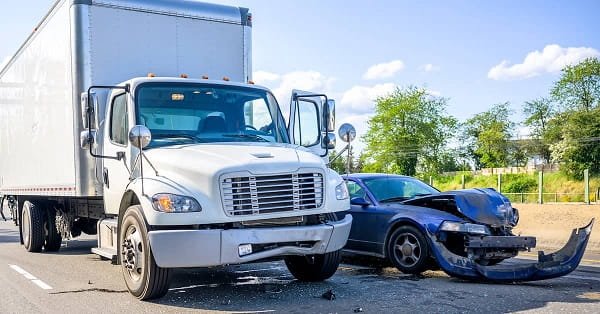
1. What percentage of your practice involves commercial trucking and 18-wheeler accident cases specifically?
The legal, regulatory, and investigative demands of 18-wheeler accident litigation differ so substantially from standard vehicle accident law that experience with one does not meaningfully translate to competence in the other. FMCSA regulatory compliance analysis, electronic logging device data interpretation, commercial vehicle black box forensics, freight broker liability, and multi-party commercial insurance coverage analysis are all specialised knowledge areas that only a lawyer who regularly handles trucking cases will possess at the depth these cases demand. Ask for specifics — how many 18-wheeler cases they have personally handled, not the firm’s combined total.
2. What is your investigation protocol within the first 48 hours after retention?
The first 48 hours after an 18-wheeler accident are legally critical — and the trucking company is already investigating aggressively. Ask the lawyer to walk through their standard investigation protocol: when they send preservation letters to all parties, when they retain accident reconstruction specialists, when they dispatch investigators to document road conditions and physical evidence, and how they obtain the truck’s electronic data before it is overwritten or the vehicle is repaired. A lawyer who cannot articulate a specific, urgent first-48-hour protocol is not operating at the level these cases demand.
3. How do you identify and pursue all applicable insurance policies?
Large commercial trucking operations involve multiple overlapping insurance arrangements — the carrier’s primary commercial liability policy, excess and umbrella policies, cargo insurance, independent broker liability insurance, and potentially the shipper’s own insurance. The total available coverage across all applicable policies can be substantially larger than any single policy limit. Ask how the lawyer identifies and pursues all applicable coverage layers simultaneously and how their approach to multi-policy coverage disputes has worked in comparable cases.
4. How do you establish the trucking company’s independent negligence beyond the driver?
Driver negligence is often the most obvious but not the most financially significant liability theory in 18-wheeler cases. The trucking company itself faces independent liability for negligent hiring of unqualified drivers, inadequate training programmes, delivery schedule pressure that structurally incentivises hours of service violations, systematic failure to conduct required vehicle inspections, and financial pressure on drivers that promotes unsafe behaviour. Ask how the lawyer investigates and builds the corporate negligence case against the carrier specifically — because corporate liability theories often support both larger compensatory damages and punitive damages claims.
5. How do you use telematics and electronic data in your cases?
Modern 18-wheelers generate extraordinary volumes of electronic data — GPS tracking showing route and speed history, engine management data recording throttle and brake application, electronic logging device records documenting hours of service compliance, collision avoidance system data, and in some cases dashcam footage. Ask how the lawyer obtains, analyses, and presents this electronic evidence — what forensic technology specialists they work with, what their experience has been with data interpretation disputes where the trucking company contests their analysis, and how they have used telematics data to establish liability in past cases.
6. What role do FMCSA safety measurement system records play in your case strategy?
The FMCSA maintains publicly accessible Safety Measurement System data for every registered motor carrier — tracking inspection violations, out-of-service orders, crash rates, and driver fitness scores. A carrier with documented histories of hours of service violations, brake maintenance failures, or driver qualification deficiencies presents both a stronger negligence case and a more compelling punitive damages argument. Ask how the lawyer uses FMCSA safety records in building liability theories and whether they have obtained internal carrier safety audit documents through discovery that contradicted the company’s public safety record.
7. How do you handle the medical aspects of catastrophic injury documentation?
18-wheeler accidents frequently produce catastrophic injuries whose full scope is not apparent in the immediate acute care phase — emerging over months of treatment, rehabilitation, and functional assessment. Ask how the lawyer manages the medical documentation process — how they work with treating physicians to ensure comprehensive injury documentation, when they retain independent medical experts for objective evaluation, how they use neuropsychological testing for traumatic brain injuries, and whether they recommend delaying settlement until maximum medical improvement is reached so the full scope of permanent limitations can be accurately valued.
8. What is your experience with wrongful death claims arising from 18-wheeler accidents?
18-wheeler accidents are the leading cause of large commercial vehicle fatalities in the United States — and wrongful death claims arising from these accidents involve unique legal and emotional complexity. Ask whether the lawyer has represented families in wrongful death claims involving commercial trucking fatalities, how they calculate and present the full economic value of a lost life including both financial support and loss of companionship, and how they approach the profound emotional sensitivity that wrongful death cases involving families with minor children require.
9. How do you negotiate with commercial trucking insurance carriers?
Commercial trucking insurers are among the most sophisticated and aggressive settlement opponents in all of personal injury law. They have experienced adjusters specifically trained in trucking accident claims, relationships with accident reconstruction firms that produce defence-oriented analyses, and legal teams whose entire practice is defending trucking cases. Ask how the lawyer approaches negotiations with these specific carriers — what their preparation process involves before entering serious settlement discussions, at what stage of litigation they typically achieve the most favourable settlement outcomes, and what their experience has been with specific major commercial trucking insurers.
10. Can you describe the most significant 18-wheeler accident recovery you have personally achieved?
This question reveals both the lawyer’s genuine track record and how they discuss their work — whether they speak about client outcomes with appropriate respect or treat cases primarily as professional accomplishments. Ask the lawyer to describe the most significant recovery they have personally achieved in an 18-wheeler accident case — the injuries involved, the liable parties pursued, the legal theories developed, and how the case ultimately resolved. Their answer provides concrete evidence of their capability in this specific area and demonstrates the depth of real experience behind their credentials.
FAQs — Hiring an 18-Wheeler Accident Lawyer
Q1. Why do I need a specialised 18-wheeler accident lawyer rather than a general injury lawyer?
A: 18-wheeler cases involve FMCSA regulations, multi-party commercial liability, specialised electronic evidence, carrier rapid-response teams, and commercial insurance coverage layers that require specific expertise. A general injury lawyer unfamiliar with these elements will be outmatched by experienced trucking defence counsel.
Q2. What is the difference between the truck driver’s liability and the trucking company’s liability?
A: The driver is individually liable for negligent operation. The trucking company faces both vicarious liability for the driver’s conduct and independent liability for negligent hiring, training failures, maintenance deficiencies, and systemic safety culture failures — each with its own insurance coverage implications.
Q3. How do hours of service violations affect my 18-wheeler accident case?
A: Hours of service violations establish driver fatigue as a contributing cause and demonstrate regulatory non-compliance — both of which strengthen negligence arguments. They also support punitive damages claims when the carrier knowingly allowed fatigued operation to continue despite documented violations.
Q4. Should I speak with the trucking company’s insurance adjuster after the accident?
A: No — contact a lawyer before speaking with any insurance representative. Insurance adjusters are trained to gather information that minimises the company’s exposure. Anything you say can be used against your claim — let your attorney manage all insurance communications from the moment of retention.
Q5. What evidence disappears fastest after an 18-wheeler accident?
A: Dashcam footage, black box data, and ELD records are most time-sensitive — typically overwritten within days on standard retention cycles. Physical road evidence including skid marks deteriorates within hours. A lawyer must send preservation letters and deploy investigators within 24-48 hours of the accident.